- Peak diving months: June to September
- Water temperatures: 24°C to 29°C
- Visibility: Up to 40 meters in optimal conditions
Komodo National Park, a UNESCO World Heritage site, is renowned for its diverse marine life and vibrant coral reefs, making it one of the premier diving destinations in the world. The region is best explored through liveaboard trips that allow divers to access remote dive sites that are not reachable by day trips. Understanding the diving seasons and the best months for liveaboards is crucial for planning an singular diving experience in Komodo.
Understanding Komodo’s Climate and Diving Seasons
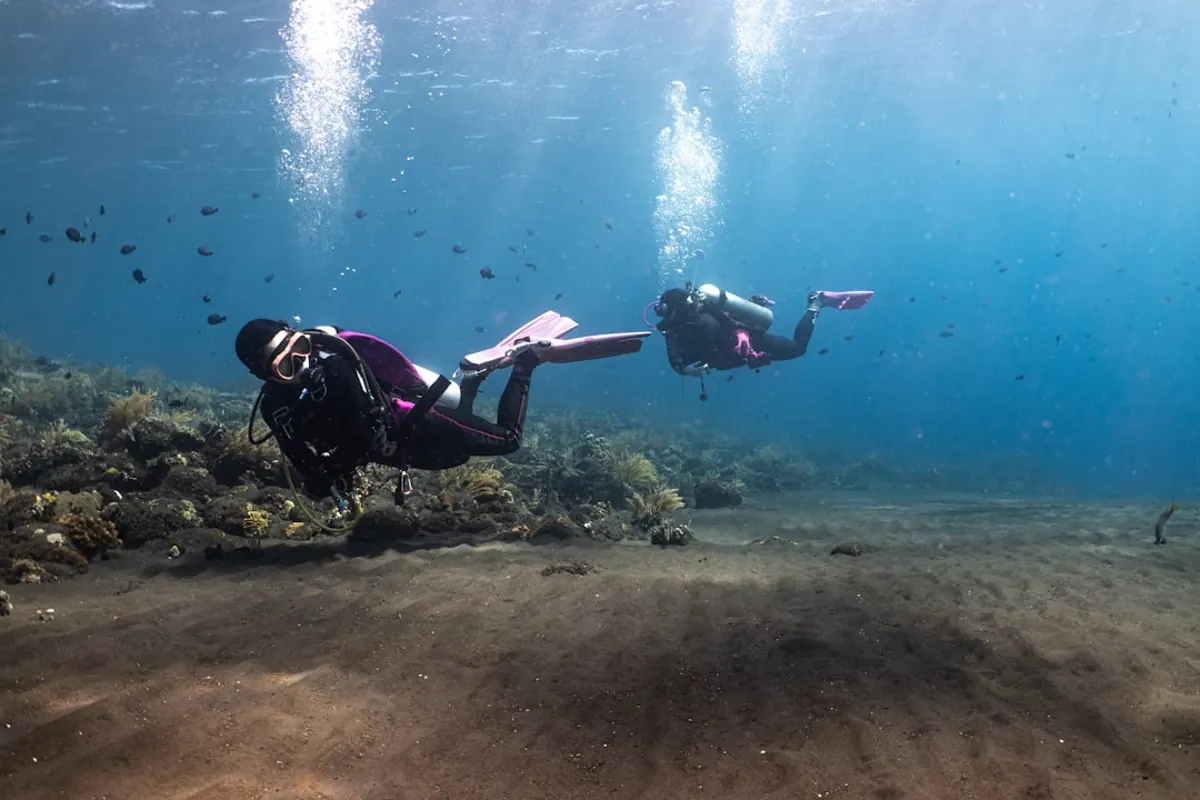
Komodo’s climate is characterized by a tropical savanna climate, which influences the diving conditions throughout the year. The diving seasons can be broadly categorized into two main periods: the dry season and the wet season.
- Dry Season (April to December): This is considered the best time for diving in Komodo. The weather is generally stable, with less rainfall and clearer skies. Water temperatures during this period range from 24°C to 29°C, providing comfortable conditions for divers.
- Wet Season (January to March): While diving is still possible, the wet season experiences increased rainfall and rougher seas, which can affect visibility. Water temperatures may drop slightly but generally remain comfortable for diving.
Best Months for Diving in Komodo
While diving is possible throughout the year, certain months stand out for optimal conditions. Here’s a breakdown of the best months for diving in Komodo:
April
April marks the beginning of the dry season, making it an excellent time for diving. Water temperatures start to rise, and visibility improves, often reaching 30 meters. This month is ideal for divers looking to avoid the peak crowds while still enjoying great conditions.
May
May offers similar conditions to April, with increasing water temperatures and good visibility. This month is known for fewer tourists, making it a peaceful time to dive. Marine life begins to flourish as the water warms, and divers may encounter a variety of species, including mantas and reef sharks.
June to September
June to September is considered the peak diving season in Komodo. During these months, water temperatures range from 26°C to 29°C, and visibility can reach up to 40 meters. Divers can expect to see an abundance of marine life, including large pelagics like manta rays and even the occasional whale shark. Liveaboards operate at full capacity during this period, providing access to the most remote and pristine dive sites.
October
October is another favorable month for diving. The weather remains stable, and while the visibility may decrease slightly as the wet season approaches, it’s still possible to enjoy fantastic diving experiences. This month is often less crowded, allowing for a more intimate experience with the underwater world.
November to December
November marks the transition into the wet season, but diving conditions can still be excellent. Water temperatures remain warm, and visibility can still be impressive. By December, rainfall increases, but divers can still find good days to dive. Booking a liveaboard during this time can offer a chance to escape the holiday crowds and enjoy the underwater beauty of Komodo.
Liveaboard Diving in Komodo
Liveaboards provide a unique way to experience the best diving spots in Komodo. These multi-day trips allow divers to explore various dive sites without the constraints of daily travel. Here are some key points to consider when planning a liveaboard trip:
- Duration: Liveaboard trips typically range from 3 to 7 days, with options for longer excursions depending on the operator.
- Pricing: Prices for liveaboard trips can vary significantly based on the level of luxury and inclusivity. Budget options start around $350 per person for a 3-day trip, while luxury liveaboards can exceed $1,500 for similar durations.
- Itineraries: Most liveaboards cover popular dive sites such as Batu Bolong, Castle Rock, and Manta Point, as well as lesser-known sites that offer unique diving experiences.
What to Expect Underwater
Komodo is home to an astonishing range of marine life, making it a prime destination for divers. The underwater environment features vibrant coral reefs, steep walls, and nutrient-rich currents that attract diverse marine species. Here are some highlights of what divers can expect:
- Coral Reefs: Komodo offers over 1,000 species of fish and 260 species of coral. Divers can explore expansive coral gardens teeming with life.
- Large Pelagics: Expect encounters with manta rays, reef sharks, and even the occasional whale shark, particularly during peak season.
- Macro Life: For those interested in smaller creatures, Komodo’s dive sites offer opportunities to spot critters like nudibranchs, frogfish, and seahorses.
Preparing for Your Diving Adventure
To make the most of your diving experience in Komodo, proper preparation is key. Here are some tips to consider:
- Certification: Ensure that you have the necessary diving certification. Advanced Open Water certification is often recommended for some of the more challenging dive sites.
- Gear: Check with your liveaboard operator about gear availability. While many provide rental equipment, some divers prefer to bring their own for comfort and familiarity.
- Health and Safety: Consider travel insurance that covers diving activities. Familiarize yourself with safety protocols and procedures of your dive operator.
Choosing the Best Time for Komodo Liveaboards
From April to December, the waters around Komodo are perfect for diving, offering clear visibility and calm seas. This period is ideal for spotting an range of marine life, including manta rays and vibrant coral reefs. Opting for a liveaboard during these months maximizes your diving opportunities, ensuring you experience the rich underwater biodiversity of Indonesia. For more tailored travel experiences, visit our Bali Exclusive Travel page.
Planning specifics? See check what’s included or Bali Exclusive Travel.