- Peak diving season: May to September
- Best cultural events: July and August
- Low tourist traffic: April and October
The gentle hum of a distant gamelan orchestra finds its way through the lush, vibrant landscapes of Bali. Here, time seems to slow, inviting travelers into a world where the sea sparkles in shades of turquoise, and adventure calls from beneath the waves.
Understanding Bali’s Weather Patterns
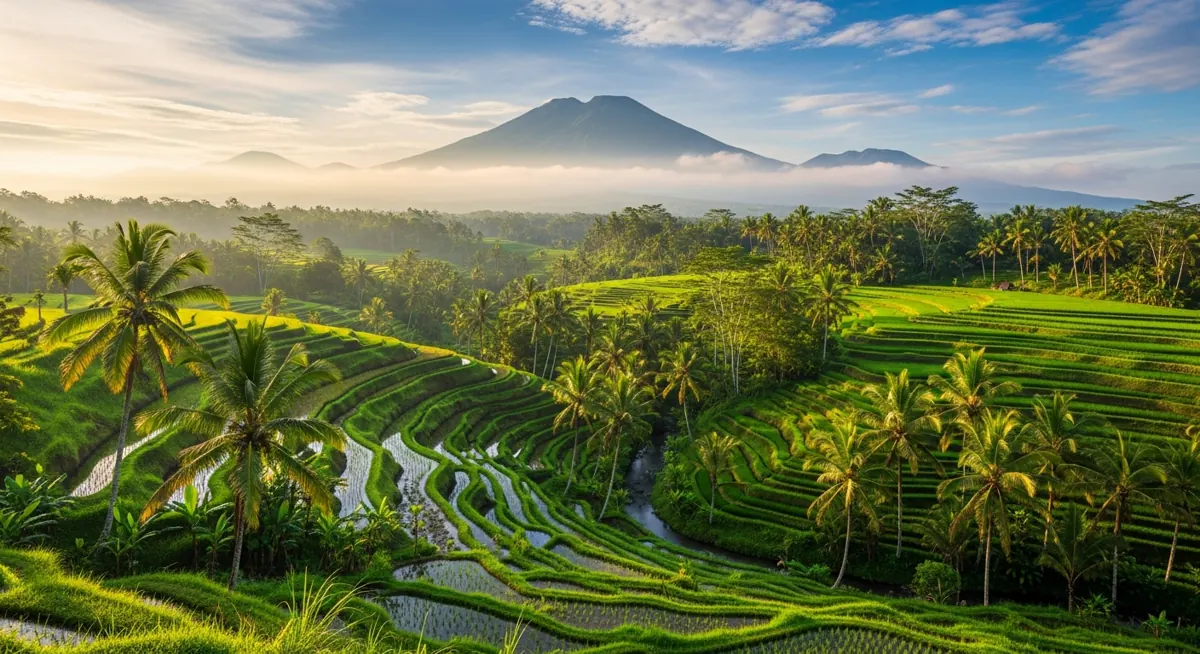
Bali, located just 8 degrees south of the equator, benefits from a tropical climate, marked by two distinct seasons: wet and dry. The dry season, from April to October, offers sunny skies and less humidity, ideal for exploring both land and sea. By contrast, the wet season, from November to March, brings heavy rain and can affect outdoor activities. Average annual temperatures hover around 27°C (81°F), with sea temperatures remaining inviting for divers year-round.
During the dry season, the island experiences an average of 8-9 hours of sunshine daily, perfect for exploring Bali’s iconic rice terraces or diving into the coral-rich waters. Rainfall is minimal, often less than 100mm per month, compared to over 300mm in the wet season. For those considering a trip, the dry months offer the best chance to experience the island’s diverse attractions without the inconvenience of sudden downpours.
The Prime Diving Season: May to September
For diving enthusiasts, the months between May and September are prime time for exploring Bali’s underwater wonders. During this period, visibility can extend up to 30 meters (98 feet), offering clear views of vibrant coral gardens and marine life. Locations like Nusa Penida, with its famous Manta Point, and the USS Liberty shipwreck near Tulamben, provide singular dives.
Liveaboard trips to Komodo and Raja Ampat also peak during these months, with calm seas and sunny weather enhancing the experience. The PADI certification remains a popular choice among divers, with courses available at many local dive centers. Prices for diving excursions vary, with day trips starting around $100, while liveaboard experiences can range from $1,500 to $3,000, depending on the duration and luxury level. Dive operators often include other renowned sites like Cape Kri and Blue Magic, known for their rich biodiversity.
Experience Bali’s Cultural Events in July and August
July and August bring a vibrant mosaic of cultural events to Bali, drawing visitors from around the globe. The Bali Arts Festival, held annually since 1979, showcases traditional dance, music, and crafts, offering a window into the island’s rich cultural heritage. Events are predominantly held in Denpasar, with performances and exhibitions running throughout the month.
Another highlight is the Galungan festival, a significant Balinese Hindu celebration symbolizing the victory of dharma over adharma. During this time, the island is adorned with penjor—bamboo poles decorated with offerings. Visitors can witness temple ceremonies and processions, gaining a deeper understanding of local customs. July and August also coincide with European and Australian school holidays, increasing the number of visitors, so early accommodation booking is advisable.
Exploring Bali Beyond the Crowds in April and October
For those seeking a quieter experience, April and October serve as shoulder months, offering pleasant weather with fewer tourists. During these times, popular attractions like Ubud’s Monkey Forest or the temples of Uluwatu are less crowded, allowing for a more intimate exploration.
April marks the end of the wet season, bringing fresh greenery and blooming flora, while October signals the transition back to wetter conditions. Hotel rates and flight prices tend to be lower during these months, making it an attractive time for budget-conscious travelers. Additionally, this period offers opportunities to engage with locals and experience everyday life away from peak tourist influxes.
Navigating the Monsoon Season: Challenges and Opportunities
The monsoon season in Bali, from November to March, brings daily rain showers and increased humidity. While this period can deter some travelers, it offers unique opportunities for those willing to embrace the rain. Surfing enthusiasts find excellent waves on the island’s west coast, while the lush landscapes become even more verdant.
Accommodations often offer significant discounts during this time, with luxury resorts and villas reducing rates by up to 50%. While diving conditions are less favorable due to reduced visibility and choppier seas, cultural and wellness experiences remain unaffected. The rainy season also coincides with the Nyepi Day of Silence, a unique Hindu celebration where the island observes a 24-hour period of reflection and fasting, providing a rare glimpse into Balinese spirituality.
Bali’s Marine Diversity: A Closer Look
Bali’s marine ecosystem is one of the most diverse in the world, offering countless opportunities for exploration. In addition to famous sites such as Manta Point, divers can explore the vibrant Coral Triangle, home to over 600 species of coral. The biodiversity found in these waters is unparalleled, with opportunities to see everything from tiny pygmy seahorses to striking manta rays.
The Raja Ampat islands, part of this Triangle, are a highlight, accessible via liveaboard trips. Here, divers can encounter vibrant soft corals and a wealth of fish species including barracudas and trevallies. The islands also offer unique land-based experiences, with limestone karst formations and traditional Papuan villages.
Comparing Diving Destinations: Bali vs. Raja Ampat
Choosing between Bali and Raja Ampat for a diving expedition can be challenging, as each offers unique experiences. Bali is more accessible, with a variety of dive sites within short distances from popular tourist areas. Raja Ampat, on the other hand, is remote, requiring longer travel times but rewarding divers with pristine, less crowded sites.
Price also plays a role; Bali offers more budget-friendly options with numerous local dive centers. Raja Ampat tends to be more expensive due to its remote location and the need for liveaboard trips to access many sites. However, for those willing to invest, Raja Ampat’s biodiversity is unmatched, making it a bucket-list destination for serious divers.
How to Make the Most of Your Bali Exclusive Travel
Planning a trip to Bali requires some strategic considerations, especially for those looking to maximize their experience. Early booking is recommended, particularly during peak months of July and August. Consideration of travel insurance is also advisable, providing peace of mind against unexpected disruptions.
Transportation options are varied, with many choosing to rent scooters for ease of travel. For longer distances, hiring a private driver can be both economical and convenient. Exploring beyond Bali’s main areas, such as a day trip to the neighboring island of Nusa Lembongan, enriches the travel itinerary with more varied experiences.
For more detailed travel insights, explore our Bali Exclusive Travel guide for expert recommendations and insider tips. Whether diving in the vibrant waters or attending a cultural festival, Bali offers a diverse range of experiences that cater to all interests and preferences.
Plan Your Exclusive Bali Itinerary Today
With its diverse offerings and seasonal nuances, Bali promises an adventure for every traveler. From the crystal-clear waters teeming with marine life to the rich cultural mosaic that unfolds during its vibrant festivals, there’s no wrong time to visit. Explore the world of Bali Exclusive Travel and start planning your next adventure. If you’re seeking the thrill of diving or the tranquility of a cultural retreat, the island welcomes you with open arms. For more detailed travel insights, explore our best diving spots guide and prepare to discover Indonesia’s enchanting beauty.
Planning specifics? See full pricing guide or booking details.