– April to November: Best overall conditions for diving.
– December to March: Rainy season; visibility can drop.
– Peak diving months: July and August for marine diversity.
Understanding Bali’s Diving Seasons
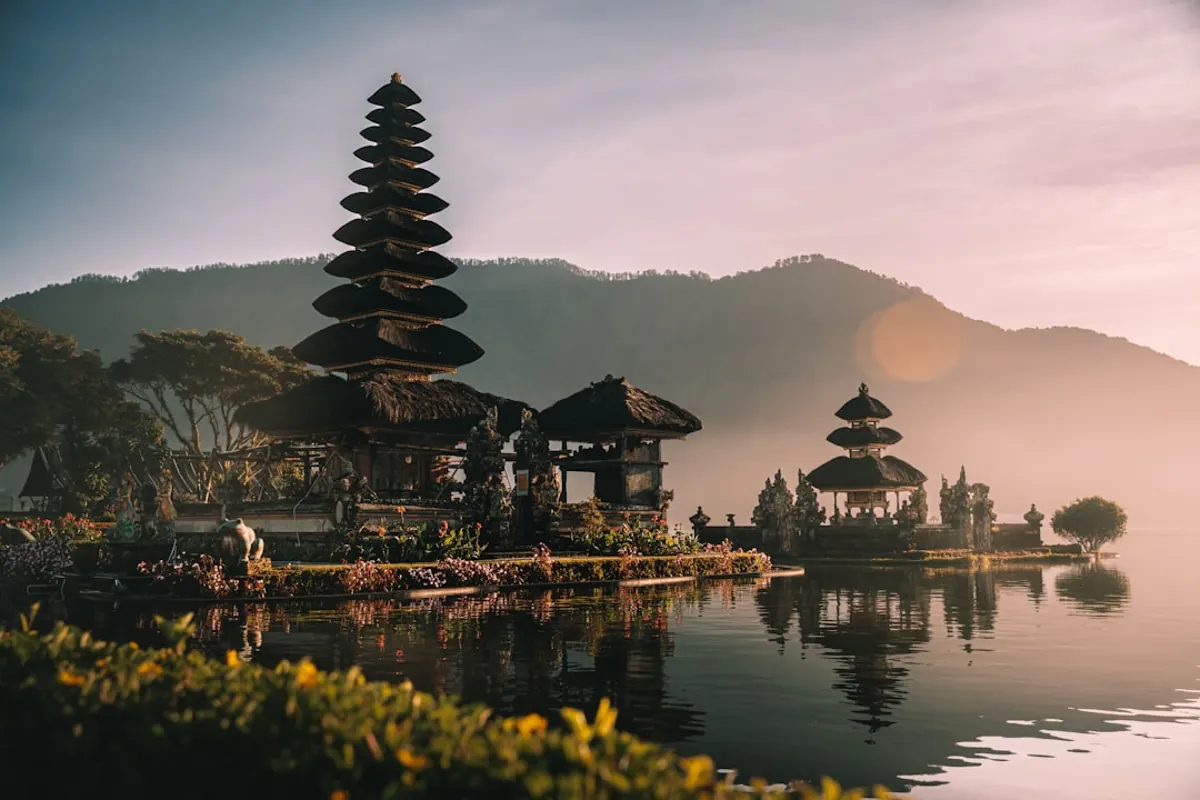
Bali is renowned for its rich marine biodiversity and diverse diving spots. As with any location, the timing of your dive trip can significantly impact your experience. Understanding the best time to dive in Bali involves considering regional conditions, marine life activity, and weather patterns. Below is a breakdown by region to help you plan your diving adventure effectively.
North Bali: Lovina and Tulamben
North Bali, particularly around Lovina and Tulamben, is accessible year-round but shines from April to November. The dive sites here are famous for their wreck dives, such as the USAT Liberty wreck in Tulamben.
Conditions
- Visibility: Best from June to September, often exceeding 30 meters.
- Water Temperature: Ranges from 26°C to 29°C.
- Marine Life: Manta rays, turtles, and vibrant coral reefs are common.
During the rainy season (December to March), visibility can decrease due to runoff, making April a prime month for diving in this region. Plan your trip around these months to enjoy the best conditions.
East Bali: Amed and Tulamben
Similar to North Bali, East Bali’s dive sites, particularly Amed and Tulamben, offer incredible underwater experiences year-round. The best overall time remains from April to November.
Conditions
- Visibility: Often between 15 to 30 meters; best from April to November.
- Water Temperature: Typically around 26°C to 28°C.
- Marine Life: Notable for macro diving; look for critters like frogfish and seahorses.
While diving is possible in the off-peak months, divers may encounter more challenging conditions, especially in December and January.
South Bali: Nusa Dua and Padang Bai
South Bali is a popular tourist hub, with diving spots like Nusa Dua and Padang Bai. The best time to dive here aligns with the dry season, from April to November.
Conditions
- Visibility: Generally good, around 15 to 25 meters.
- Water Temperature: Similar to other regions at about 26°C to 29°C.
- Marine Life: Reef sharks, turtles, and a variety of tropical fish.
Padang Bai is also known for its drift dives, which are best experienced during the dry season when currents are manageable.
West Bali: Menjangan Island
Menjangan Island, part of the Bali Barat National Park, is known for pristine coral reefs and diverse marine life. The ideal diving season is from April to November.
Conditions
- Visibility: Can reach over 30 meters, especially during peak months.
- Water Temperature: Averages around 27°C to 29°C.
- Marine Life: Home to large pelagics, turtles, and colorful reef fish.
Diving in Menjangan during the rainy season may limit visibility due to increased water runoff.
Central Bali: Dive Liveaboard Trips
If you’re looking for a more extensive diving experience, consider a liveaboard trip that explores Bali along with surrounding areas like Komodo and Raja Ampat. The best time for these trips typically mirrors Bali’s peak diving season from April to November.
Conditions
- Visibility: Varies by location but often excellent during peak months.
- Water Temperature: Generally warm, around 27°C to 29°C.
- Marine Life: Experience diverse ecosystems, with opportunities to see manta rays, whale sharks, and more.
Liveaboard trips can be organized year-round, but for the best conditions, plan for the dry season.
Nearby Regions: Gili Islands and Nusa Penida
The Gili Islands and Nusa Penida are top diving destinations near Bali. The best time to dive in these areas is also from April to November, aligning with Bali’s dry season.
Conditions
- Visibility: Typically between 20 to 30 meters.
- Water Temperature: Around 27°C to 29°C.
- Marine Life: Famous for manta rays and the Mola Mola (sunfish) during peak season.
While diving is possible year-round, the rainy season can lead to rougher seas and impaired visibility.
Planning Your Dive Trip
When considering the best time to dive in Bali, plan your trip between April and November for the most favorable conditions. Each region offers unique experiences, so choose based on your interests—be it wreck dives, macro photography, or encounters with large pelagics. Always check local weather reports and diving conditions before your trip to ensure a safe and enjoyable experience.
For current rates on diving trips and accommodations, see current rates.
By understanding the regional differences in diving conditions and planning your trip during the optimal months, you can maximize your underwater adventure in Bali.
Planning specifics? See see current rates or see current rates.