– Peak diving months: April to October.
– Water temperatures: 26-30°C (79-86°F).
– Visibility: Ranges from 10 to 40 meters.
Understanding Bali Diving Seasons
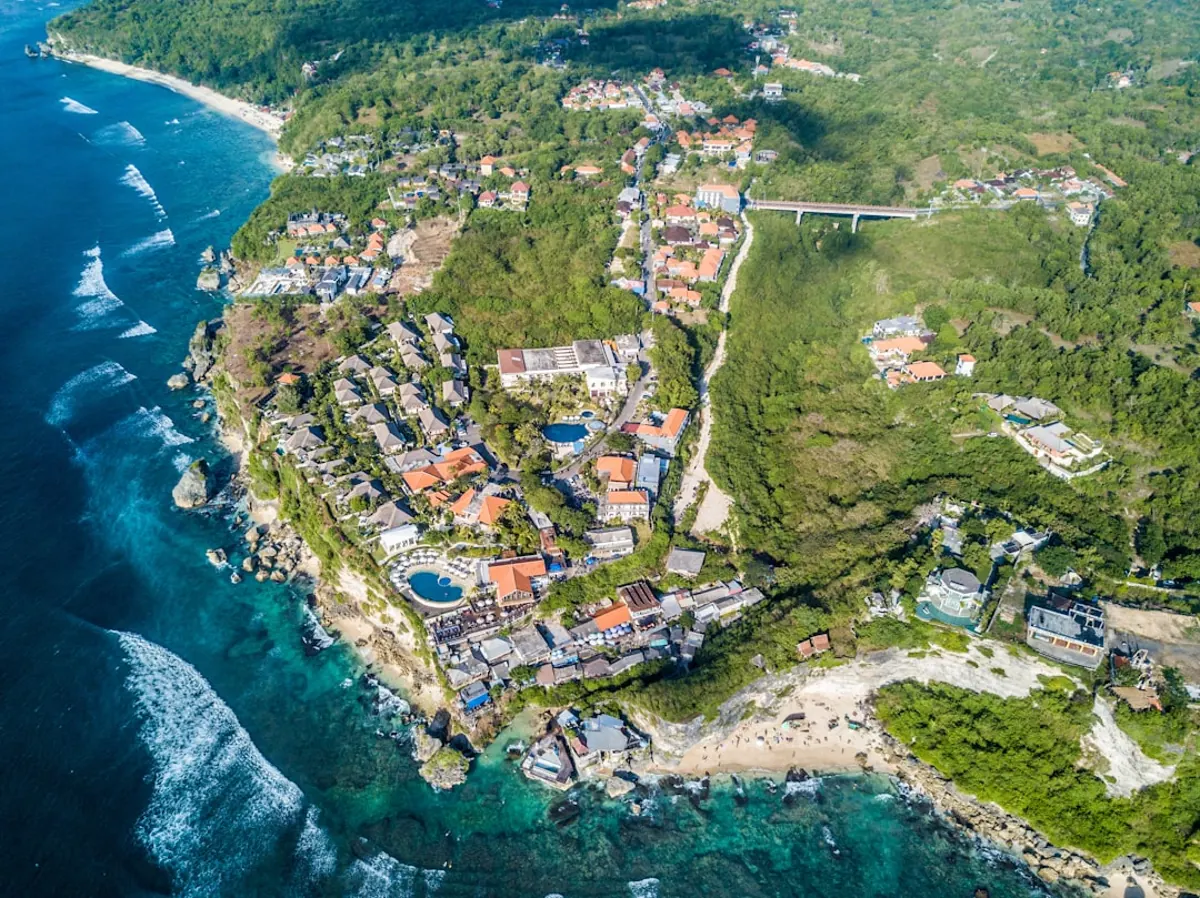
Bali is a prime destination for diving enthusiasts, offering a diverse range of dive sites with rich marine ecosystems. The diving seasons in Bali can be categorized into wet and dry seasons, with significant variations in underwater visibility, water temperature, and marine life activity. Here’s a month-by-month breakdown of what to expect.
January
January is part of the wet season in Bali. While diving is still possible, expect occasional rain and lower visibility. Water temperatures range from 26°C to 28°C (79°F – 82°F). The marine life is still active, but visibility can drop to around 10-15 meters.
February
February continues the wet season, with similar conditions to January. Rainfall can affect dive sites, particularly those on the east coast. Visibility remains around 10-15 meters, and water temperatures are consistent. Marine life is vibrant, but divers should prepare for potential weather interruptions.
March
As the wet season begins to transition, March offers improving conditions. Rainfall decreases, and visibility starts to improve, often reaching 15-20 meters. Water temperatures remain comfortable, making it a suitable month for diving enthusiasts who prefer fewer crowds.
April
April marks the beginning of the dry season, making it one of the best months for diving in Bali. Visibility can reach up to 30 meters, and water temperatures average 28°C to 30°C (82°F – 86°F). Dive sites like Nusa Penida and the Gili Islands become popular due to their rich marine life and excellent visibility.
May
May continues with excellent diving conditions, characterized by clear waters and an abundance of marine life. Visibility often exceeds 30 meters, and water temperatures remain warm. This month is ideal for divers looking to explore Bali’s vibrant coral reefs and diverse marine ecosystems.
June
June is an exceptional month for diving, with optimal conditions across most dive sites. Visibility can reach 35 meters, and water temperatures remain stable. This is the start of the peak season, attracting more divers to experience the underwater beauty of Bali.
July
July is one of the peak months for diving in Bali, with excellent visibility and warm water. Expect visibility of 30-40 meters and temperatures around 29°C (84°F). Popular sites like Padang Bai and Tulamben are bustling with activity, offering diverse marine life encounters.
August
August maintains the peak diving conditions similar to July, making it a prime month for underwater exploration. Visibility remains high, often exceeding 30 meters. This is also the time to witness the migration of various marine species, including manta rays around Nusa Penida.
September
September offers a slight decline in diver traffic, but the conditions remain excellent. Visibility is still impressive, typically around 30 meters, and water temperatures are comfortable. This month is ideal for divers seeking a balance of good conditions and fewer crowds.
October
October marks the end of the dry season, with conditions still favorable for diving. Visibility can range from 20-30 meters, and water temperatures remain warm. As the month progresses, some rain may start to appear, but diving remains enjoyable.
November
November signals the transition back into the wet season. Visibility may decrease to around 15-20 meters, and water temperatures drop slightly. Rainfall can be frequent, but diving is still possible, particularly in the early part of the month.
December
December is fully in the wet season, with increased rainfall affecting diving conditions. Visibility often drops to around 10-15 meters, making it a less favorable month for divers. However, some sites may still offer decent conditions, and marine life remains active.
Peak Diving Months: April to October
The peak diving months in Bali are from April to October. During this period, divers can expect the best visibility, warm water temperatures, and a diverse marine ecosystem. This is the ideal time to explore popular dive spots such as:
- Nusa Penida
- Gili Islands
- Tulamben
- Padang Bai
- Menjangan Island
Water Temperatures and Visibility
Water temperatures in Bali typically range from 26°C to 30°C (79°F to 86°F) throughout the year. Visibility varies significantly, from as low as 10 meters during the wet season to over 40 meters in peak dry months. Here’s a summary:
- January – March: 10-20 meters visibility, 26-28°C
- April – June: 30-35 meters visibility, 28-30°C
- July – September: 30-40 meters visibility, 29-30°C
- October – December: 15-30 meters visibility, 26-28°C
Choosing the Right Dive Packages
When planning your diving trip to Bali, consider the various dive packages available. Depending on your experience level and interests, you can choose from:
- Day trips to renowned dive spots
- Liveaboard experiences for extended diving
- Beginner-friendly courses for novices
For detailed insights on pricing and options, feel free to compare packages tailored to your diving preferences.
Diving Safety and Regulations
Diving in Bali is generally safe, but it’s essential to follow local regulations and guidelines. Always dive with a certified operator, and ensure your gear is well-maintained. Be aware of potential hazards such as strong currents and changing weather conditions, particularly during the wet season.
Maximize Your Bali Diving Experience by Season
For the best diving conditions, plan your Bali trip between April and October when the dry season offers clearer waters and optimal visibility. However, each month provides its own unique underwater experiences, from spotting Mola Mola in August to encountering manta rays year-round. If you’re just starting out or you’re a seasoned diver, Bali’s diverse marine life and striking dive sites promise singular adventures.
Planning specifics? See our bali Exclusive Travel Pricing & Cost Guide guide or Bali Exclusive Travel.