- Peak season: July to October
- Best locations: Nusa Penida, Amed, and Tulamben
- Average dive depth: 20 to 30 meters
Understanding Mola Mola Sunfish
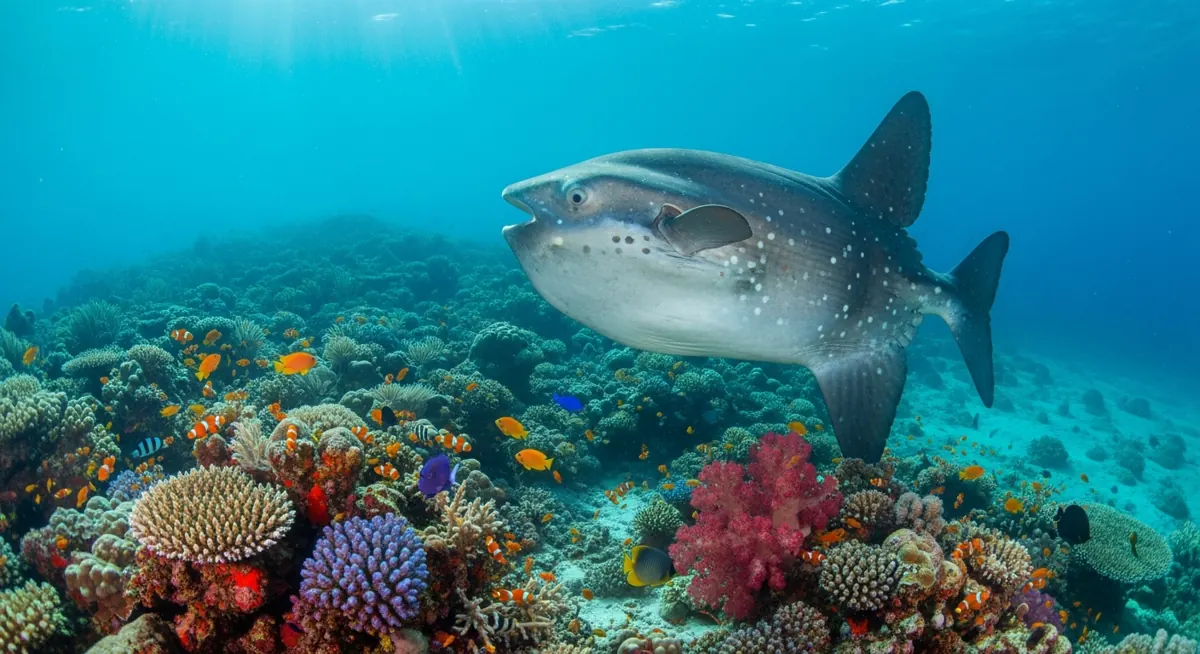
The mola mola, or ocean sunfish, is one of the largest bony fish in the world, known for its distinct flattened body and impressive size. They can weigh up to 1,000 kg (2200 lbs) and reach a length of 3 meters (10 feet). These fascinating creatures are primarily found in deep, temperate and tropical ocean waters, making Bali’s waters an ideal location for encounters.
Best Time to See Mola Mola in Bali
The best time to see mola mola in Bali is during the months of July through October. This period aligns with the upwelling of cold waters from the depths of the ocean, which attracts the mola mola to the surface. During this time, they come closer to the reefs for cleaning by smaller fish, providing divers with the perfect opportunity to witness them up close.
Peak Season Insights
While mola mola can occasionally be spotted outside these months, the likelihood of sighting them dramatically increases during peak season. The months of August and September are particularly favorable for divers, as these months often yield the highest number of sightings.
Top Locations for Mola Mola Sightings
To maximize your chances of seeing mola mola, focus your diving excursions around the following prime locations:
Nusa Penida
Nusa Penida is renowned for its vibrant marine life and is often considered the best spot in Bali for mola mola sightings. The dive sites here include:
- Crystal Bay: Famous for its clear waters and diverse marine life, this site is a hotspot for mola mola, especially during peak season.
- Toyapakeh: Another popular site, Toyapakeh offers excellent visibility and chances to see mola mola as they pass through on their way to feeding grounds.
- Manta Point: While known for manta ray sightings, mola mola can also be spotted here, particularly in the colder months.
Amed
Amed is another excellent location, featuring several dive sites that attract mola mola during peak season. The currents here can be strong, providing the right conditions for mola mola to congregate.
Tulamben
Tulamben, best known for the USAT Liberty shipwreck, also provides opportunities to see mola mola, particularly in deeper sections of the dive sites. The wreck attracts a variety of marine life, and those willing to dive deeper may encounter mola mola here as well.
Planning Your Dive Trip
When planning your trip to see mola mola in Bali, consider the following factors:
Booking Diving Excursions
Many dive shops and operators offer guided trips specifically targeting mola mola sightings. It’s advisable to book your excursion in advance, especially during peak season. Options range from day trips to liveaboard experiences. For detailed booking details, consider reaching out to local dive operators or travel agencies to ensure a seamless experience.
Diving Experience Level
Diving with mola mola typically requires a level of experience suitable for deeper dives. Many sites range from 20 to 30 meters (65 to 98 feet) in depth. If you’re not an experienced diver, consider taking a refresher course or diving with a guide who knows the area well.
Equipment Recommendations
While standard dive gear is sufficient for most dives, having good exposure protection is important, especially in colder waters where mola mola thrive. A 3mm or thicker wetsuit is recommended, along with appropriate accessories like gloves and booties.
Other Marine Life and Attractions
While the main draw is the mola mola, the waters around Bali are rich with other marine life. Divers can expect to see:
- Coral reefs teeming with vibrant fish species
- Manta rays and other pelagic fish
- Various species of turtles
Exploring Cultural Attractions
A trip to see mola mola can also be combined with cultural explorations in Bali. Consider visiting:
- Ubud: Known for its art scene and rice paddies.
- Tegallalang Rice Terraces: A UNESCO World Heritage site.
- Temples: Such as Uluwatu and Tanah Lot, which offer striking views and cultural experiences.
Legal and Conservation Considerations
While diving with mola mola can be a thrilling experience, it’s essential to respect marine life and adhere to local conservation laws. Bali has regulations in place to protect its marine biodiversity. Always dive with licensed operators who practice environmentally responsible diving to ensure the preservation of these magnificent creatures and their habitats.
Optimal Times and Dive Spots for Mola Mola in Bali
For the best chances of spotting the elusive mola mola sunfish, plan your Bali dive trip between July and October. Popular diving locations include Nusa Penida, Amed, and Tulamben, where these striking creatures are often sighted. Divers, both novice and experienced, can enjoy the vibrant marine ecosystems and unique underwater experiences offered by these sites.
Planning specifics? See bali Exclusive Travel Pricing & Cost Guide or our book Bali Exclusive Travel | Baliexclusivetravel guide.