- Best months: July and August
- Recommended dive sites: Manta Point, Crystal Bay
- Booking: Reserve trips in advance for optimal experiences
Understanding Manta Ray Season in Nusa Penida
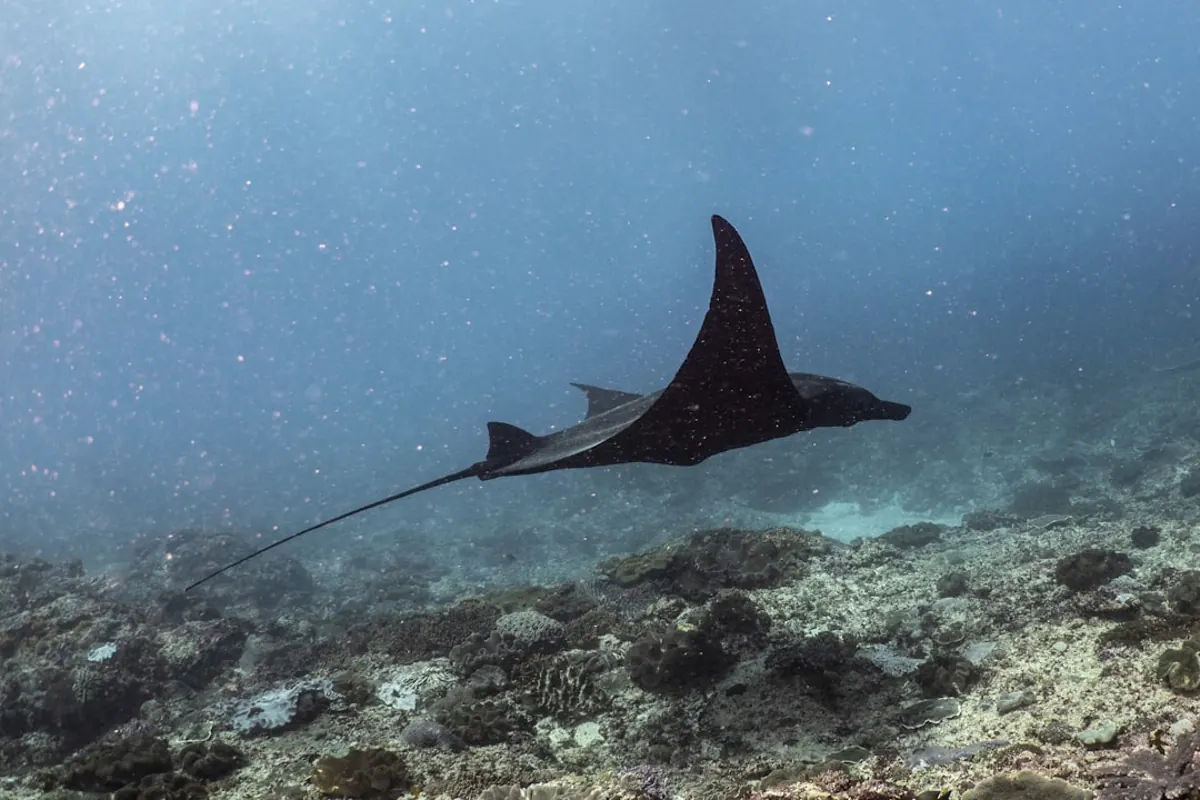
Nusa Penida, an island southeast of Bali, is renowned for its vibrant marine life, particularly the striking manta rays. These gentle giants can reach up to 7 meters in wingspan and are a significant attraction for divers and snorkelers visiting the region. Knowing when to visit is crucial for maximizing your chances of seeing them.
When is Manta Season in Nusa Penida?
Manta ray season in Nusa Penida occurs from April to November, with the best months being July and August. During this period, the water temperatures range from 24°C to 28°C, making conditions ideal for diving and snorkeling. While sightings can occur at any time during the season, they are more frequent in the peak months due to increased food availability in the waters around Nusa Penida.
Planning Your Trip to Nusa Penida
To ensure a successful trip to Nusa Penida during manta season, consider the following factors:
1. Choosing the Right Time
While April to November is the designated season, aim for July and August for optimal sightings. Weather conditions are generally stable, with less rain and calmer seas. If you prefer fewer crowds, consider visiting in late April or early September.
2. Selecting Dive and Snorkeling Operators
Numerous diving operators offer trips to Nusa Penida. Here are a few recommendations:
- Blue Corner Dive: Known for its experienced instructors and small group sizes, ensuring personalized experiences. Prices start from IDR 1,500,000 for a day trip.
- Eco Dive Bali: Focuses on sustainable diving practices and offers a range of options, from beginner to advanced dives. Day trips start at IDR 1,300,000.
- Manta Dive Nusa Penida: Offers competitive pricing and excellent reviews for manta ray excursions, with day trips starting from IDR 1,200,000.
Make sure to book your trips in advance, especially during peak months, as spots can fill quickly.
3. Dive Sites to Consider
Manta Point is the most popular dive site for encountering manta rays, where divers can often see them gliding gracefully through the water. Other notable sites include:
- Crystal Bay: Famous for its clear waters and diverse marine life, including the occasional mola mola (ocean sunfish).
- Toyapakeh: Offers a mix of drift diving and coral gardens, ideal for spotting various fish species alongside the striking mantas.
Each dive site has unique characteristics, so choose based on your experience level and interests.
4. What to Expect During Your Trip
When diving or snorkeling with manta rays, you can expect a serene experience. Mantas are known for their gentle nature, often swimming close to divers. Here are a few tips:
- Maintain a respectful distance: Avoid touching or chasing the rays, as this can stress them.
- Use eco-friendly sunscreen: Protecting the marine ecosystem is crucial, so opt for reef-safe products.
- Follow safety guidelines: Always listen to your dive instructor and stay within designated areas.
Accommodation Options in Nusa Penida
Nusa Penida offers a range of accommodations to suit different budgets. From luxurious resorts to budget guesthouses, here are a few standout options:
- Semabu Hills Hotel Nusa Penida: A mid-range hotel offering striking views and easy access to dive sites.
- Le Pirate Beach Club: A boutique resort with a relaxed vibe and beachfront access, perfect for unwinding after a day of diving.
- The Angkal Resort: A budget-friendly option with basic amenities and a friendly atmosphere.
Booking your accommodation in advance is recommended, especially during high season.
Exploring Beyond the Manta Rays
While diving with manta rays is a highlight, Nusa Penida has much more to offer. Consider adding these activities to your itinerary:
- Visit Kelingking Beach: Iconic for its cliffside views and turquoise waters, this beach is a essential.
- Explore Broken Beach and Angel’s Billabong: Natural rock formations that provide striking photo opportunities.
- Discover local culture: Visit traditional Balinese temples like Pura Penataran Ped to gain insight into the island’s heritage.
Tips for a Successful Manta Ray Experience
To enhance your chances of a rewarding experience while diving or snorkeling, follow these tips:
- Stay hydrated: Drink plenty of water to avoid dehydration, especially after diving.
- Check sea conditions: Before heading out, ensure that weather and sea conditions are suitable for diving.
- Communicate with your guide: Share any concerns or preferences with your dive instructor to tailor your experience.
Legal Considerations
Diving and snorkeling in Nusa Penida is regulated to protect marine life. Operators must adhere to local laws and guidelines to ensure safety and sustainability. Always choose certified operators with a strong commitment to preserving the environment.
Best Time to Encounter Manta Rays in Nusa Penida
Manta ray season in Nusa Penida typically runs from May to November, offering prime opportunities for divers and snorkelers alike. To maximize your chance of seeing these striking creatures, visit during the peak months of August and September. For comprehensive trip planning, check out Bali Exclusive Travel.
Ready to dive into the details? Discover the full pricing guide and learn more about the best accommodations and dive operators available. Alternatively, explore Bali Exclusive Travel for more tailored advice and booking options.